


We often focus on the food we eat, yet we rarely pay attention to what exits our bodies. Your daily bathroom habits reveal more than you might imagine. They offer important clues about gut health and can alert you when something isn’t functioning as it should.
Before flushing your number twos, taking a quick look can provide surprising insights into your overall well-being. Unsure what signs matter the most? This simple guide breaks down everything you need to notice.
So, what can my poo tell me?
Surprisingly, your poo can reveal a lot about what’s happening inside your body. The colour, shape and consistency of your stool often reflect your diet, hydration levels, medication use and overall lifestyle. With a quick look, you may uncover signs that:
- Your body isn’t getting enough water.
- You might be reacting to a food intolerance or allergy.
- Stress is affecting your digestion.
- Your fibre intake is too low.
- Worms or parasites could be present.
- Your gastrointestinal tract may be irritated or damaged.
- Nutrient absorption isn’t working properly.
- Organ function has shifted, including the kidneys or gallbladder.
- screening for conditions like bowel cancer might be needed
- Medications or supplements are influencing your digestive health.
Your stool acts like a daily health report, offering valuable insights long before symptoms appear.
What does a healthy poo look like?
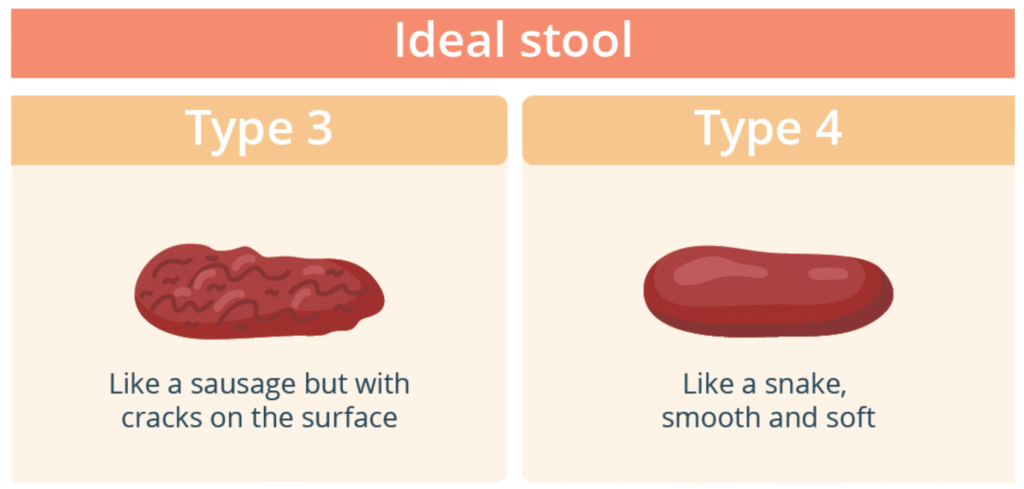
Ideal poo colour usually sits anywhere between light brown and dark brown. The shape and texture should resemble a smooth snake or sausage, which signals that your digestive system and gut microbiome are functioning well.
Your digestive system includes the entire digestive tract along with organs that help break down food and absorb nutrients. Inside this system lives the gut microbiome — a community of both good and bad bacteria.
When the good bacteria outnumber the bad, your gut stays balanced. This balance supports your immune system, helps regulate weight and even contributes to the production of “happy hormones” that influence mood and mental health.
Healthy toilet habits can vary from person to person. For most people, going anywhere from three times a week to three times a day is normal, as long as you’re not straining or experiencing discomfort.
To understand whether your poo is healthy, pay attention to its colour, shape and texture. These simple signs can reveal a lot about your digestive well-being.
For More Interesting Stories: How to Choose the Best Business Loan – Complete Guide for Entrepreneurs
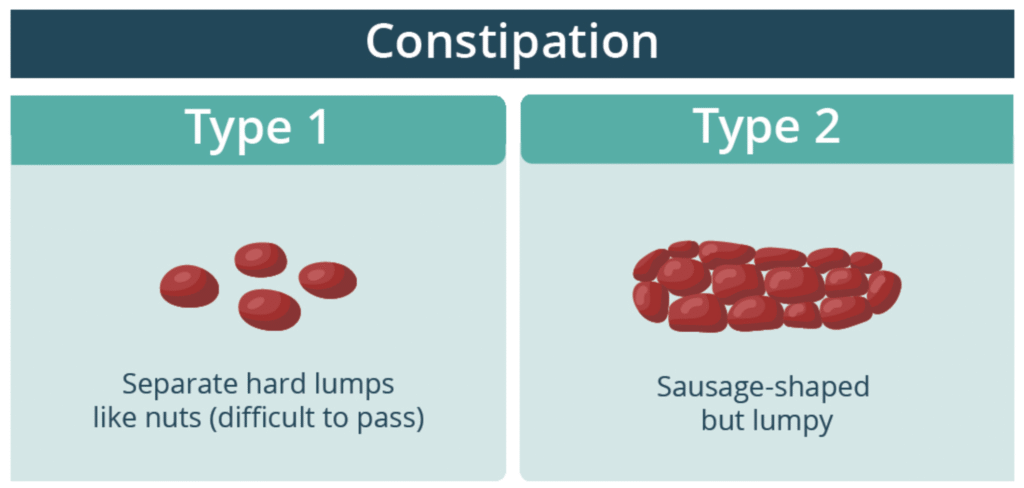
Shape and texture
These types of stools often suggest that your body may be dealing with constipation or insufficient hydration.
These stools are soft, smooth, and easy to pass, indicating a healthy and well-functioning digestive system.
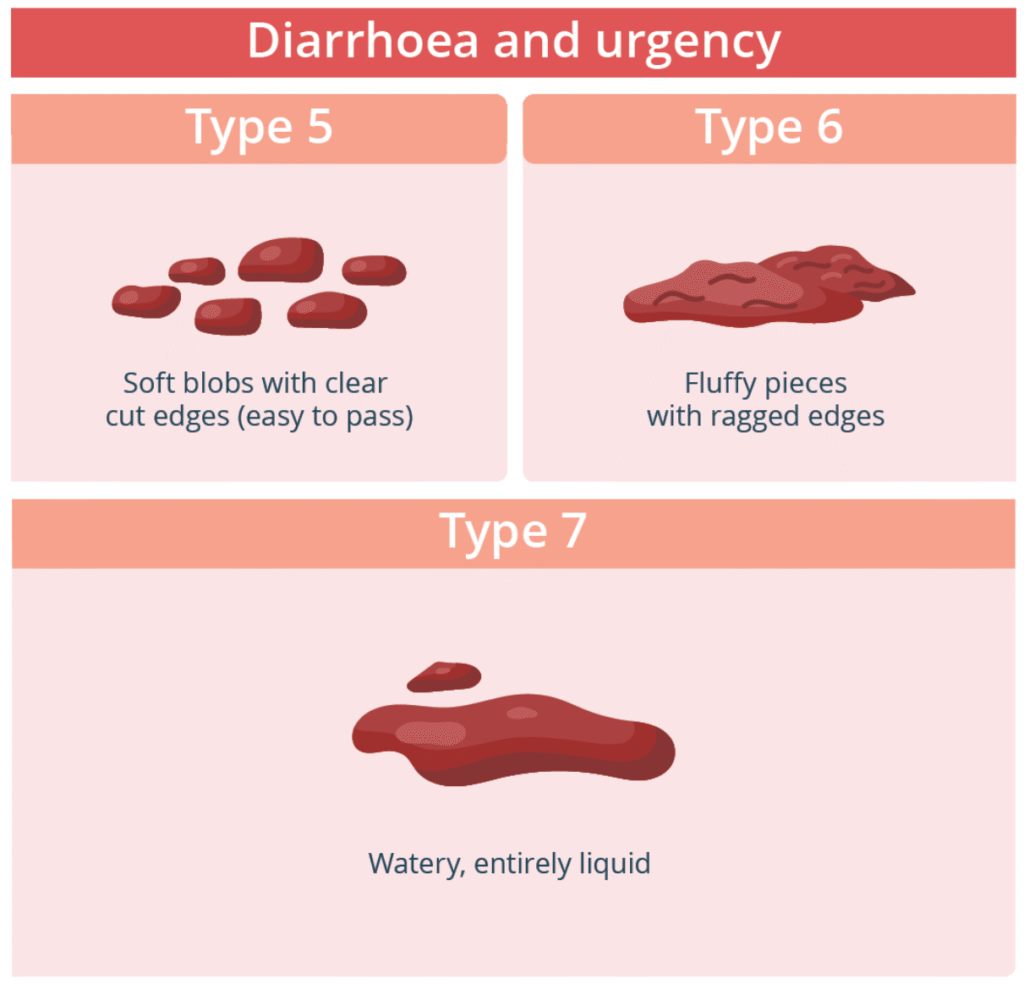
These stools can signal diarrhoea, irritable bowel syndrome (IBS), heightened stress or anxiety, or a reaction to alcohol, oily meals or spicy foods.
Colour
The colour of your stool often reflects what you’ve eaten, how much fluid you’ve had, any medications you’re taking and the amount of time food has moved through your digestive system.
- Black may point to iron supplements, certain medications or undigested food.
- Light to dark brown usually suggests a healthy, ideal stool.
- Pale or clay-coloured stools may signal coeliac disease or pancreatic issues.
- Orange may indicate a blocked bile duct or the use of antacids.
- Yellow or green may indicate a high-fat diet, parasite activity or stress-related digestive changes.
- White spots or mucus may suggest medication effects or trouble absorbing nutrients.
- Dark to light red may indicate blood in the stool, or simply that you’ve recently eaten beetroot.
Each colour provides valuable clues about what’s happening inside your digestive system.
When should I see my doctor?
A change in your stool doesn’t always signal something serious, but it’s important to keep an eye on it. If diarrhoea or constipation lasts longer than two to three days, or if your stools appear black, tarry, very pale, grey or show any signs of blood, make sure to speak with your doctor.
Frequently Asked Questions
What does the colour of my stool say about my health?
Stool colour can indicate hydration, diet, medication effects, or potential health issues. Light to dark brown is usually healthy, while black, pale, orange, yellow, green, or red may signal digestive or organ concerns.
Is it normal for stool consistency to change?
Occasional changes in stool consistency are normal and often related to diet or stress. Persistent soft, watery, or hard stools may indicate digestive issues or dehydration.
How often should I be having bowel movements?
Healthy bowel habits vary. Most people go anywhere from three times a week to three times a day. Regularity without straining is a good sign of digestive health.
Can stool reveal digestive disorders like IBS?
Yes. Loose, watery, or irregular stools may suggest irritable bowel syndrome (IBS), stress-related digestion issues, or dietary triggers.
What does mucus in my stool indicate?
Mucus in stool can result from infections, inflammation, medication use, or digestive conditions that affect nutrient absorption.
Can stool show signs of dehydration?
Yes. Hard, dry, or lumpy stools often indicate dehydration or insufficient fibre intake. Increasing water and fibre can help.
When should I see a doctor about my stool?
Seek medical advice if you notice persistent constipation, diarrhoea lasting more than 2–3 days, black/tarry stools, very pale stools, or blood in the stool.
Conclusion
Your stool offers valuable insights into digestive health, hydration, diet, stress, and potential medical conditions. Changes in colour, shape, or consistency may be normal, but persistent abnormalities, such as black, pale, or bloody stools, require a doctor’s attention. Monitoring bowel habits and maintaining a healthy lifestyle support gut health and overall well-being.